It is not how long you live. It is how well.
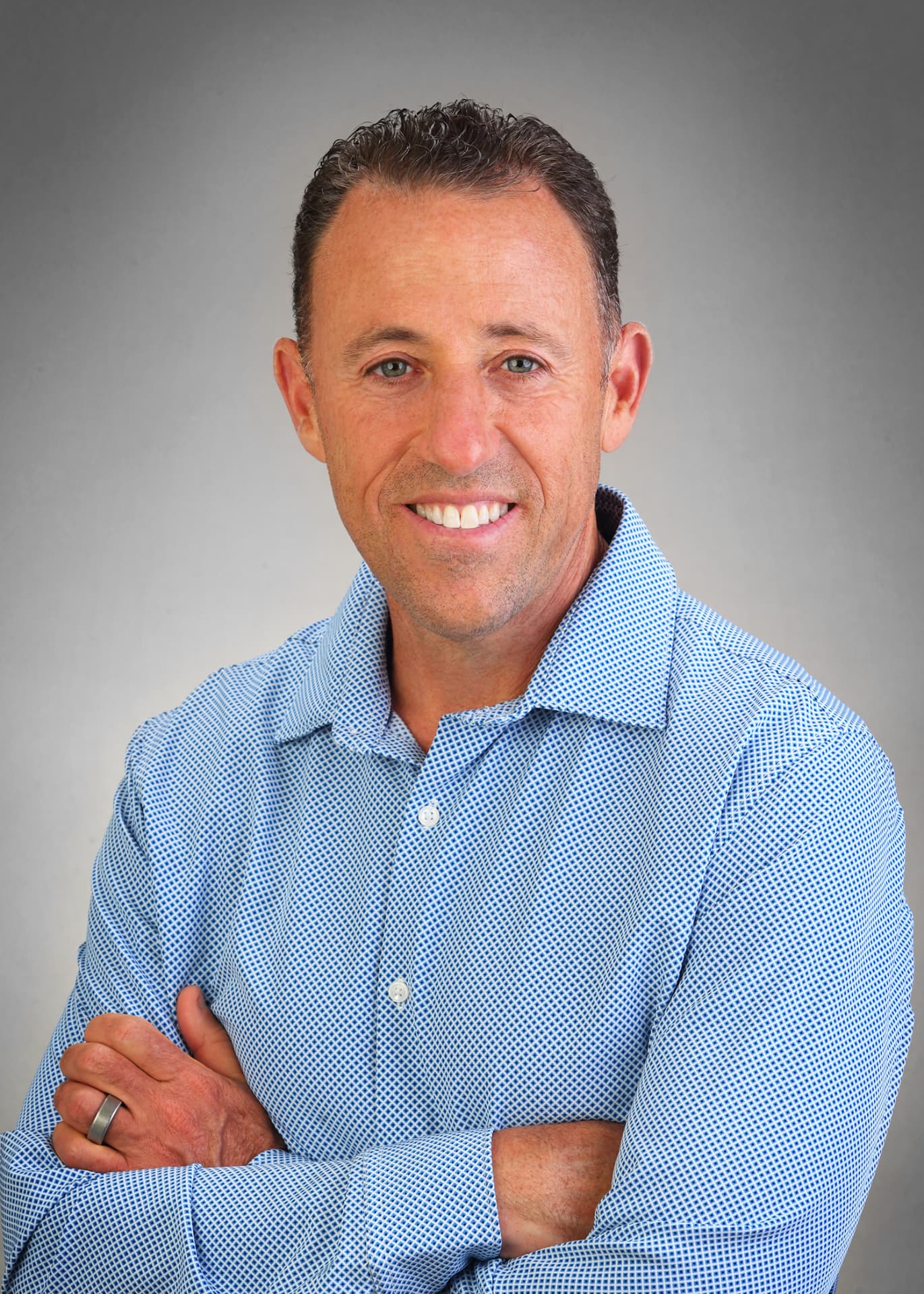
A health coach, speaker, and author helping ordinary people build the kind of body their future self will thank them for.
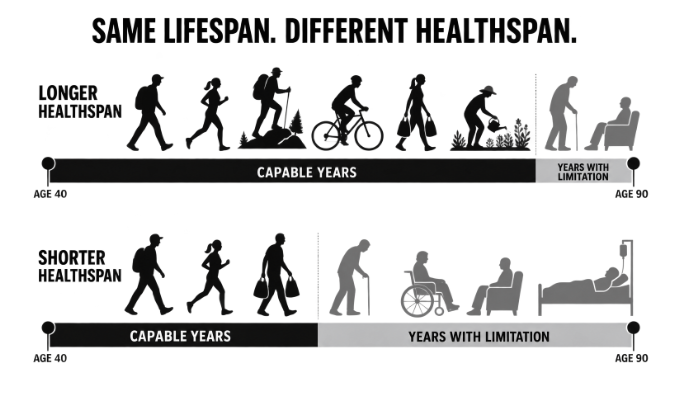
The gap nobody plans for
9.6 years
The average global gap between how long people live and how long they stay healthy.
12.4 years
The gap in the United States, the largest of the 183 countries studied.
Source: JAMA Network Open, 2024.
Lifespan is how long you live. Healthspan is how many of those years you actually get to use.
It started with a decision.
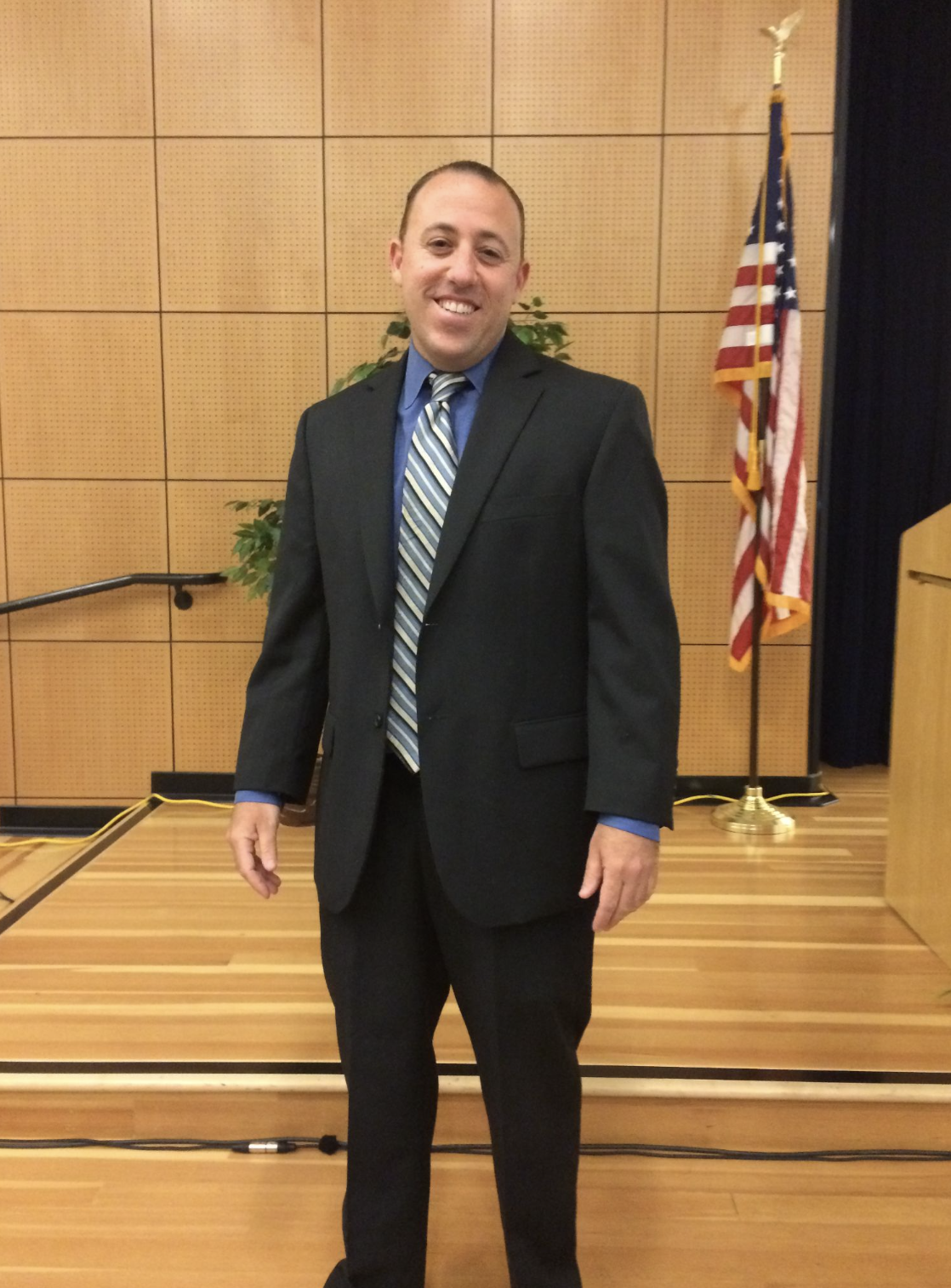
This was me in my thirties: about thirty pounds overweight, constant heartburn, and a long list of reasons why today was not the day to change. I kept waiting for a wake-up call that never came.
Then someone told me something I could not shake: if your cup is not overflowing, it is hard to pour into others. I stopped being a passive patient and started acting as the CEO of my own health. One small decision at a time, the future version of me began to take shape.
Read the full storyFour pillars. One decision at a time.
Not rules to memorize. Four categories that organize nearly every decision you make about your health.
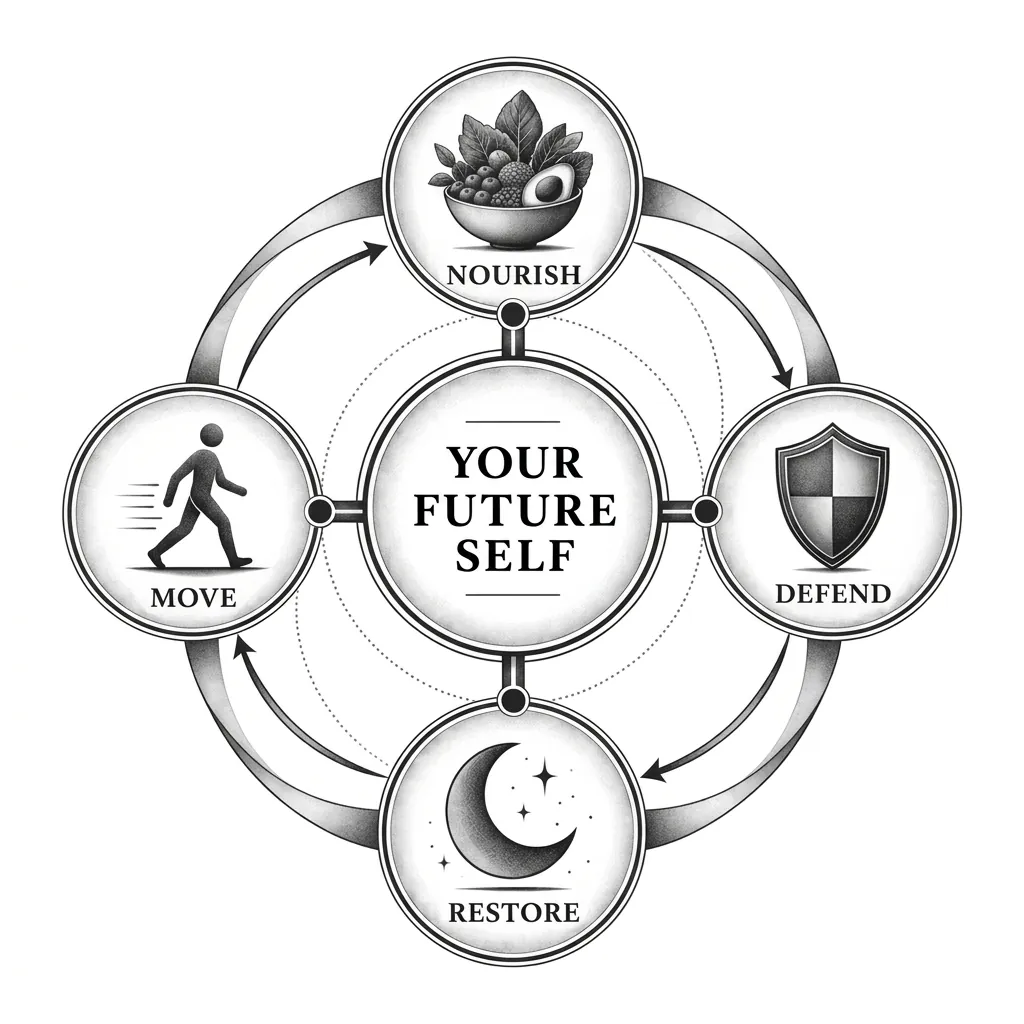
Nourish
How you provide the physical, mental, and relational support that builds you up.
Defend
Reduce avoidable exposures and environments that work against your health.
Move
Build the strength, endurance, mobility, and daily activity that keep you capable.
Restore
Protect the sleep, recovery, and nervous system balance that allow adaptation to happen.
The most important pillar is whichever one you choose to act on today.
Small steps compound.
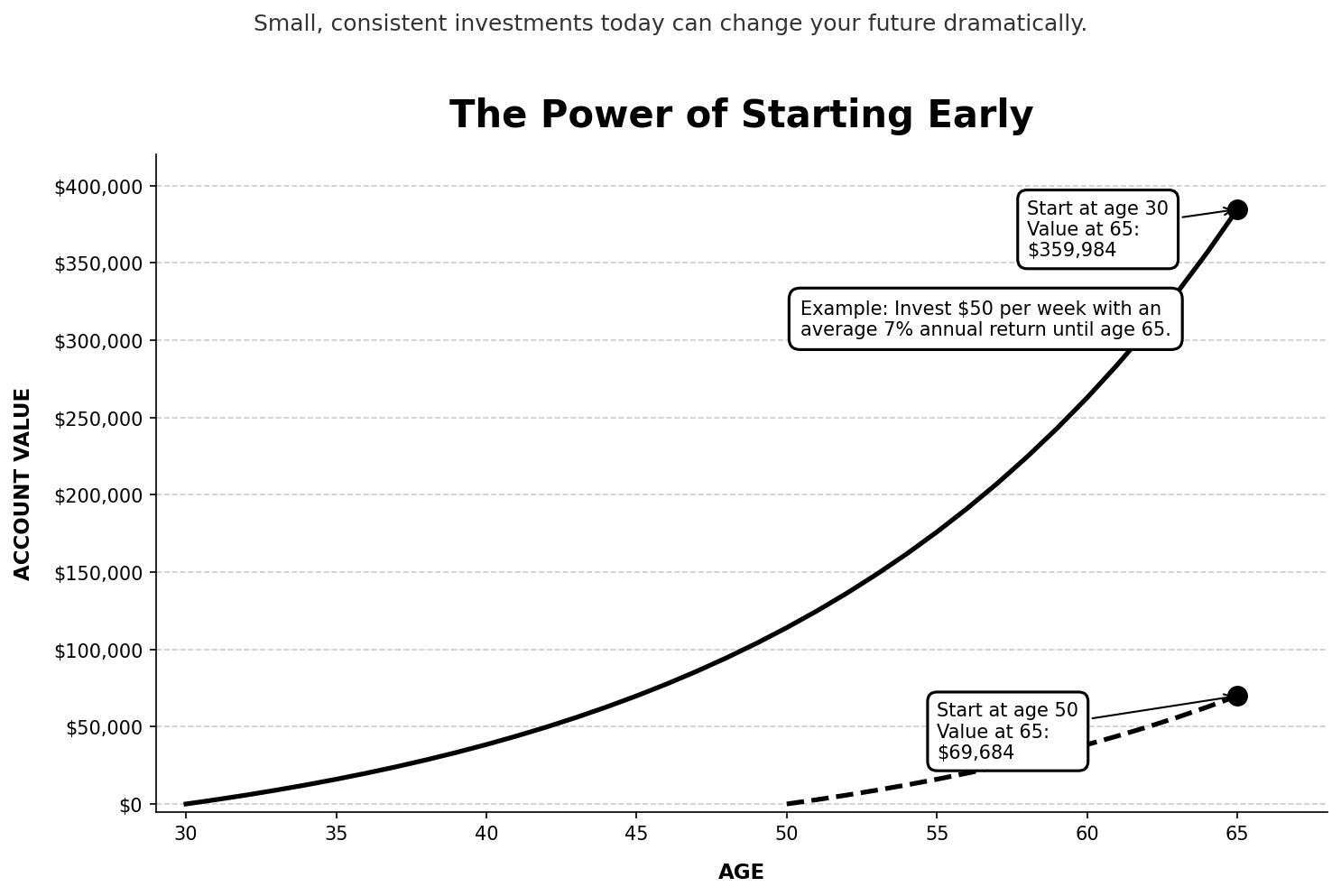
Health works like money. A small, steady investment started today grows into far more than a big effort started later. Fundamentals over fads, every day.


Ways to work together
Coaching
Work with me directly, one on one, over six months.
See how coaching worksSpeaking
Bring me to your event, team, or conference.
See speaking topicsThe book
Playing catch at 100, and the health that gets you there.
Read about the bookWellness Wednesdays
Free weekly group coaching. Come once or every week.
Join freeOne small change a week
No hype, no fads. One practical idea, once a week.